two syllable poetic foot
Have you ever heard of a “two-syllable poetic foot”? Don’t worry if you haven’t – it’s not as complicated as it sounds! In poetry, a foot is a unit of meter, and a two-syllable foot is simply a combination of two syllables that create a rhythmic pattern.
One of the most common two-syllable poetic feet is the “iamb.” An iamb consists of two syllables, with the stress falling on the second syllable. Think of words like “away” or “begin” – that’s the sound of an iambic foot!
The Beauty of the Trochee
Another popular two-syllable foot is the “trochee.” In a trochee, the stress falls on the first syllable instead of the second. Words like “happy” or “sunset” exemplify the trochaic rhythm, creating a different feel in poetry.
Poets often use these two-syllable feet to create a specific cadence or mood in their work. By playing with the stress patterns of words, they can evoke different emotions and draw the reader into the rhythm of the poem.
Next time you read a poem, pay attention to the syllables and stresses in each line. You might start to notice the subtle patterns of two-syllable feet like iambs and trochees, adding a new layer of appreciation to the art of poetry.
So, the next time you dive into a poem, keep an ear out for those two-syllable poetic feet. They might just give you a new perspective on the beauty and rhythm of poetry!
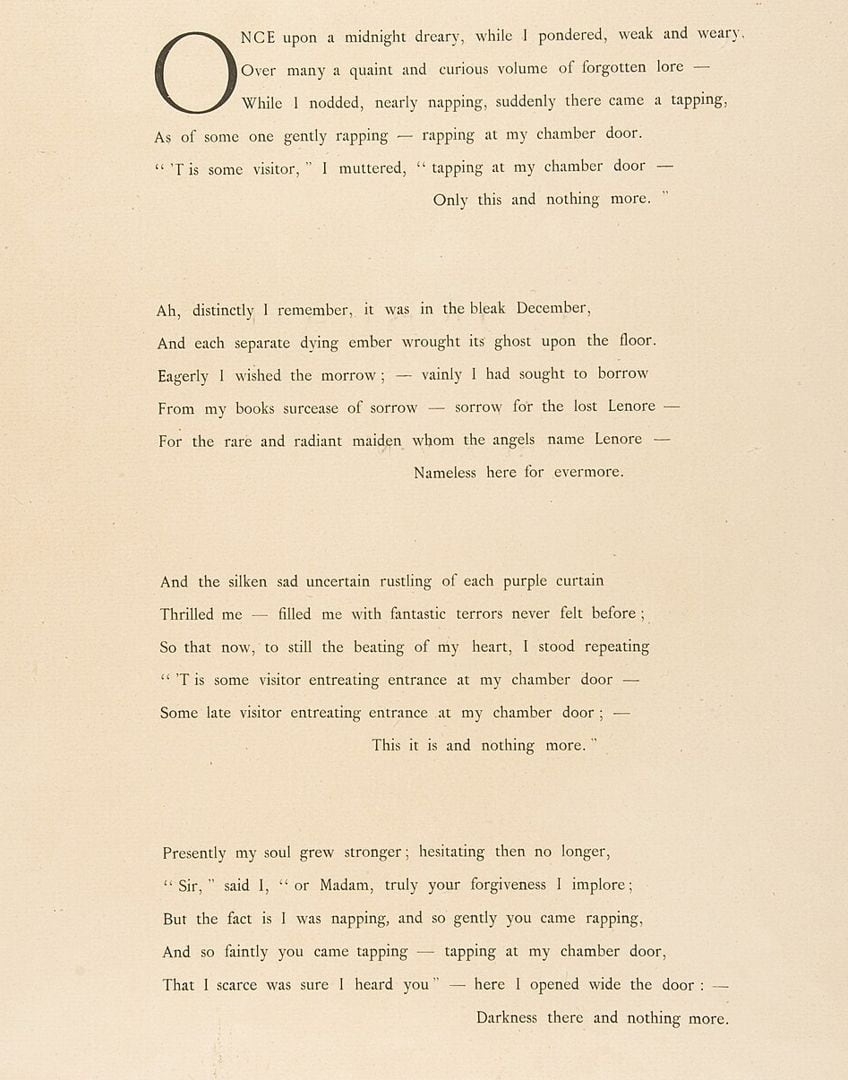
Foot In Poetry A Broad Overview Of Poetic Rhythm
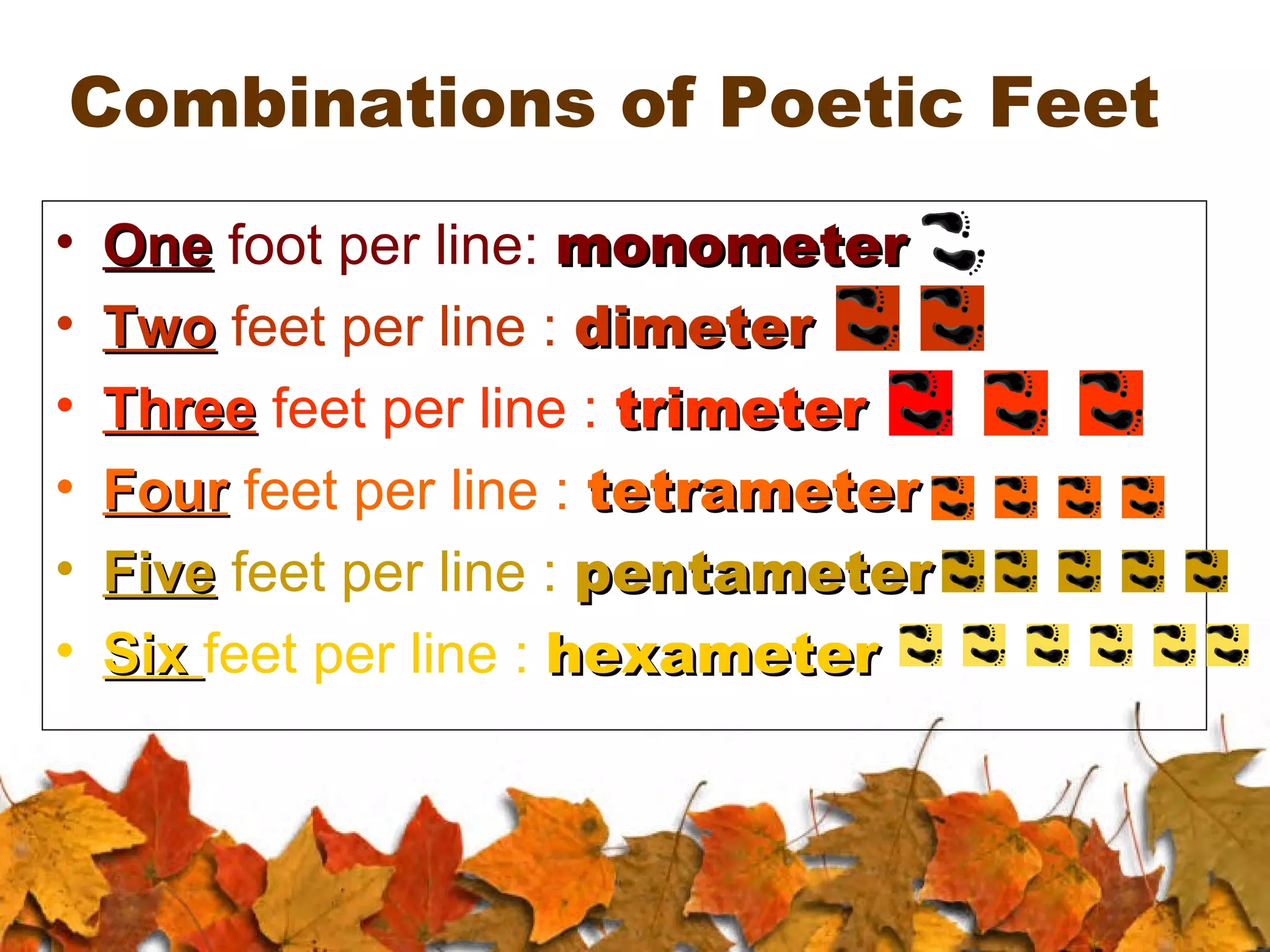
Meter In Poetry PPT
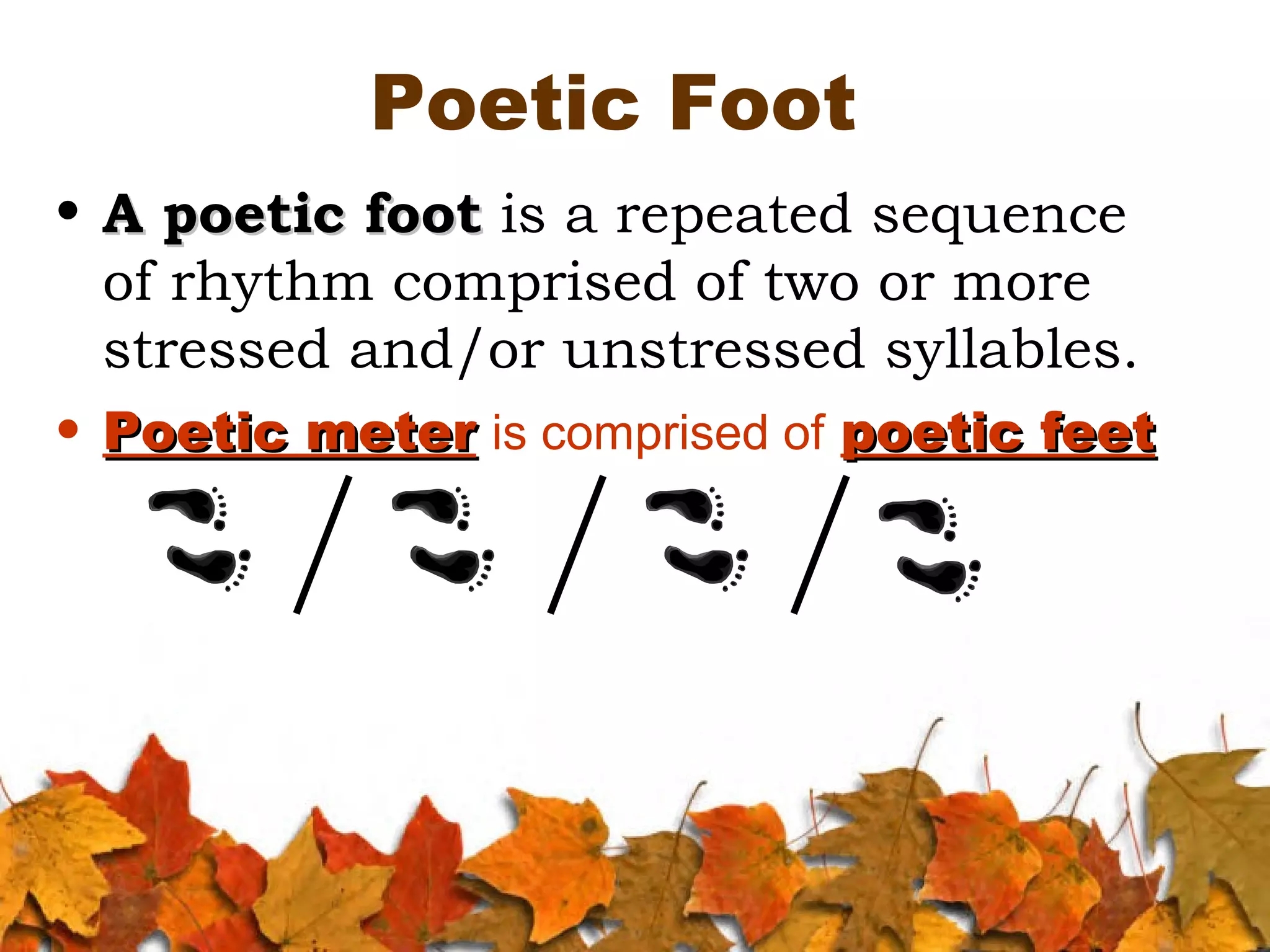
Meter In Poetry PPT
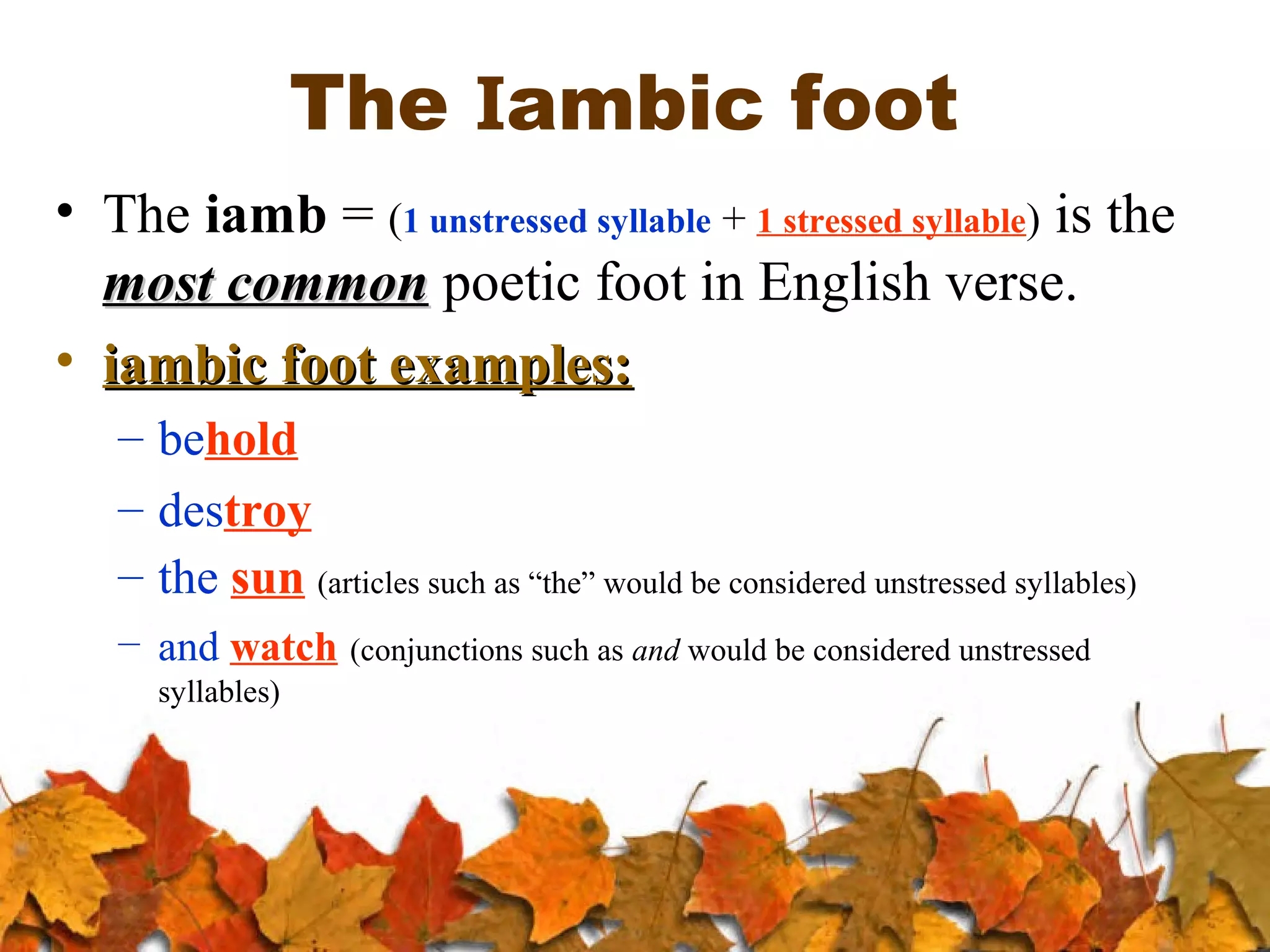
Meter In Poetry PPT
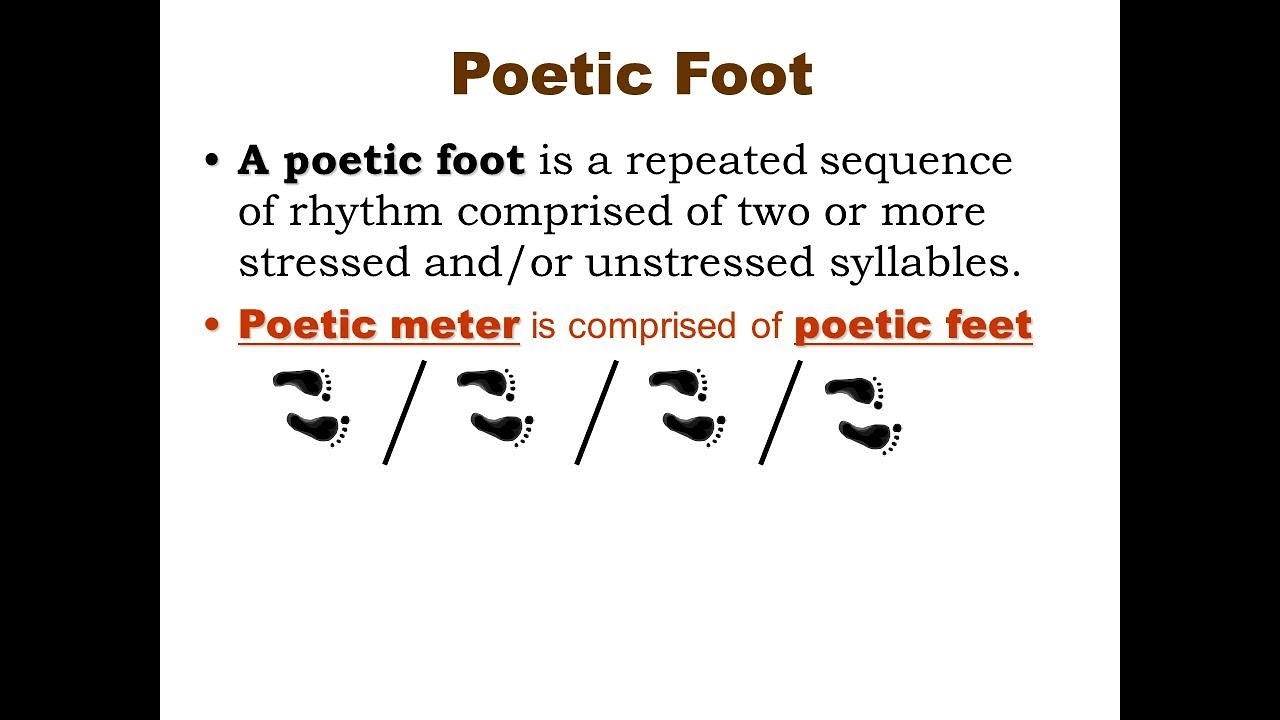
Meter Poetic Foot Iambic YouTube