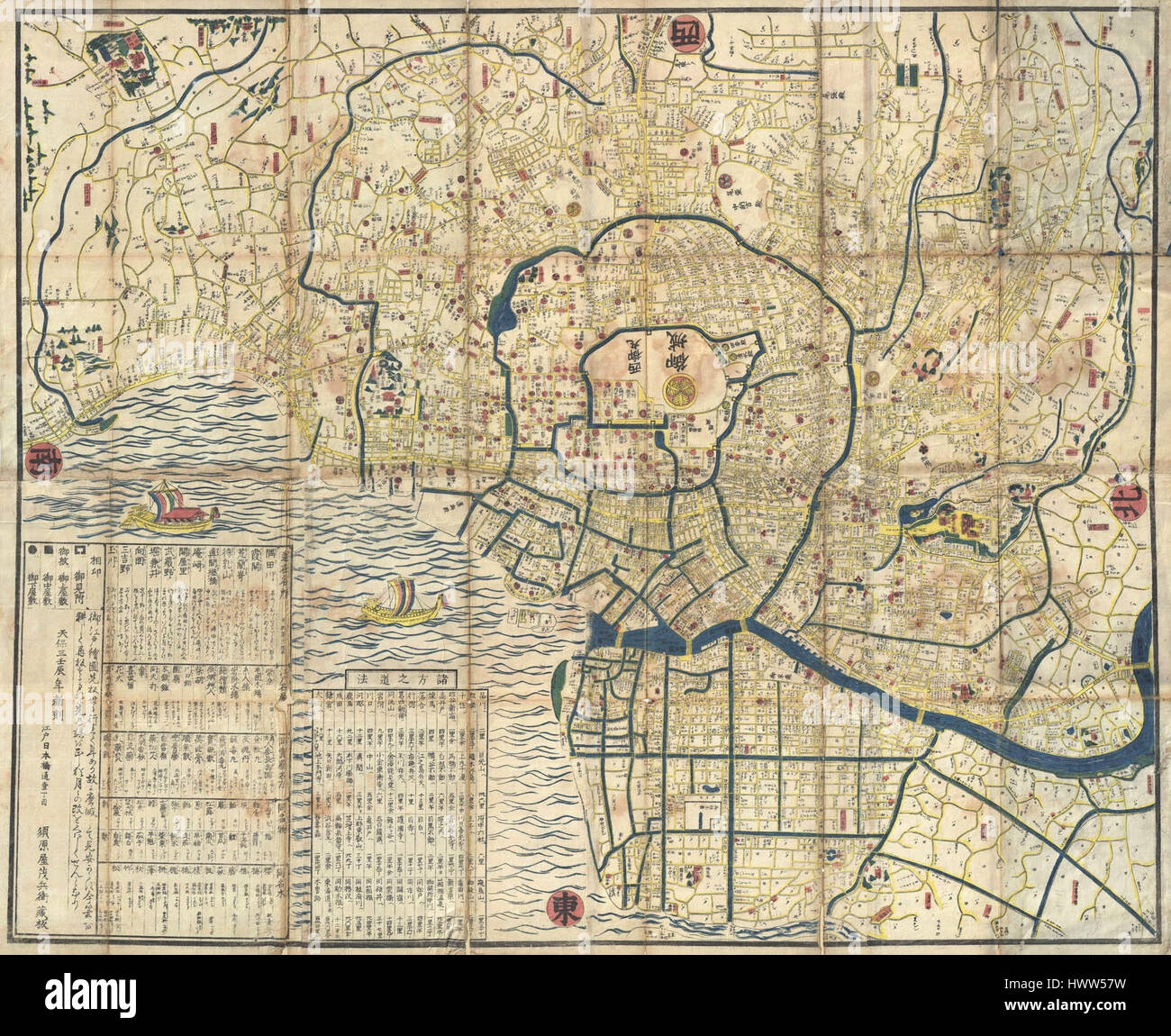
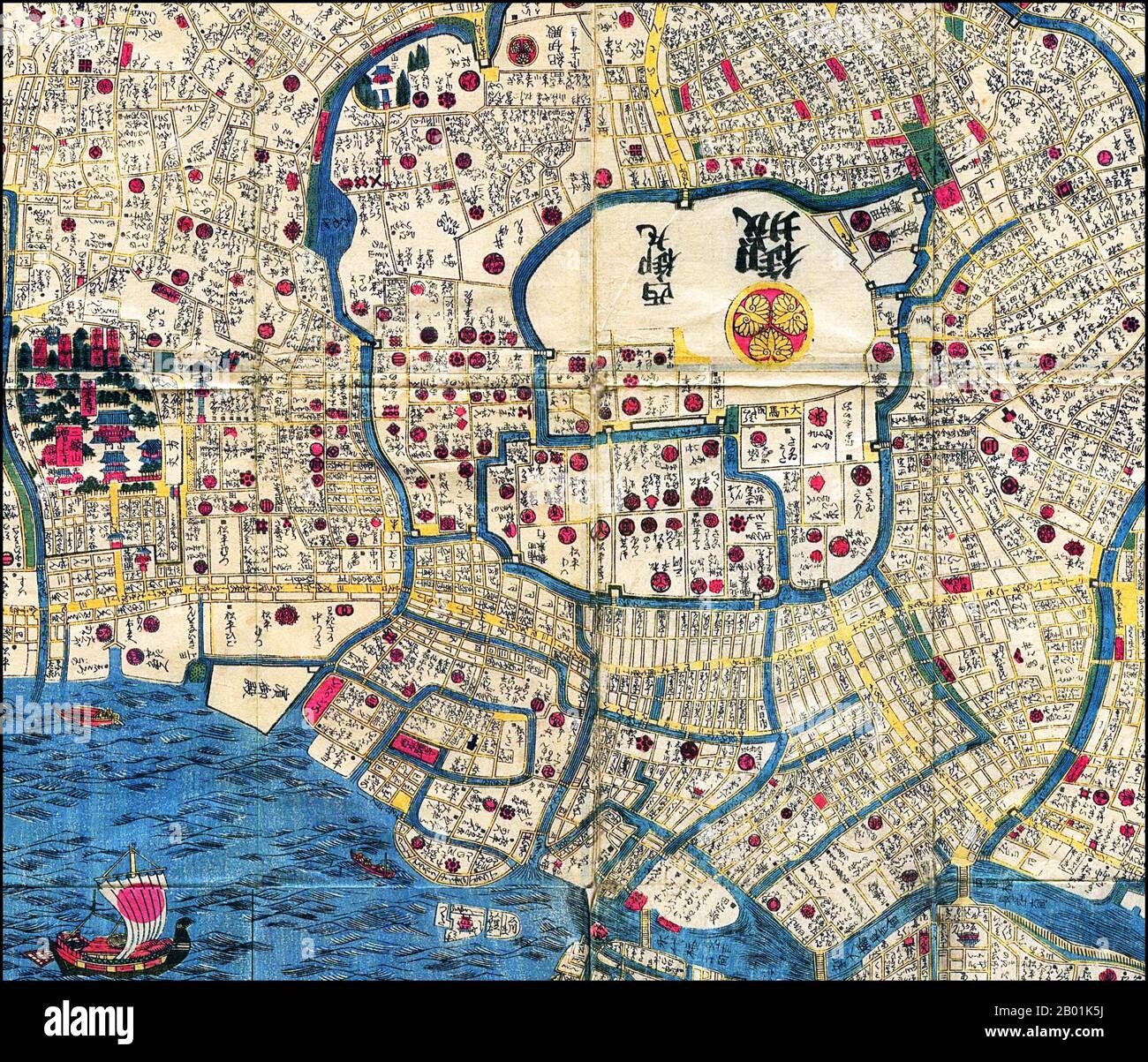
Japan’s bustling capital, Tokyo, holds a fascinating history that many may not be aware of. Before it became known as Tokyo, the city was called Edo. This former name for Tokyo has deep roots in Japanese culture and heritage.
Edo served as the seat of power for the Tokugawa shogunate during the Edo period from 1603 to 1868. The city flourished as a center of politics, culture, and commerce, laying the foundation for modern-day Tokyo’s reputation as a vibrant metropolis.
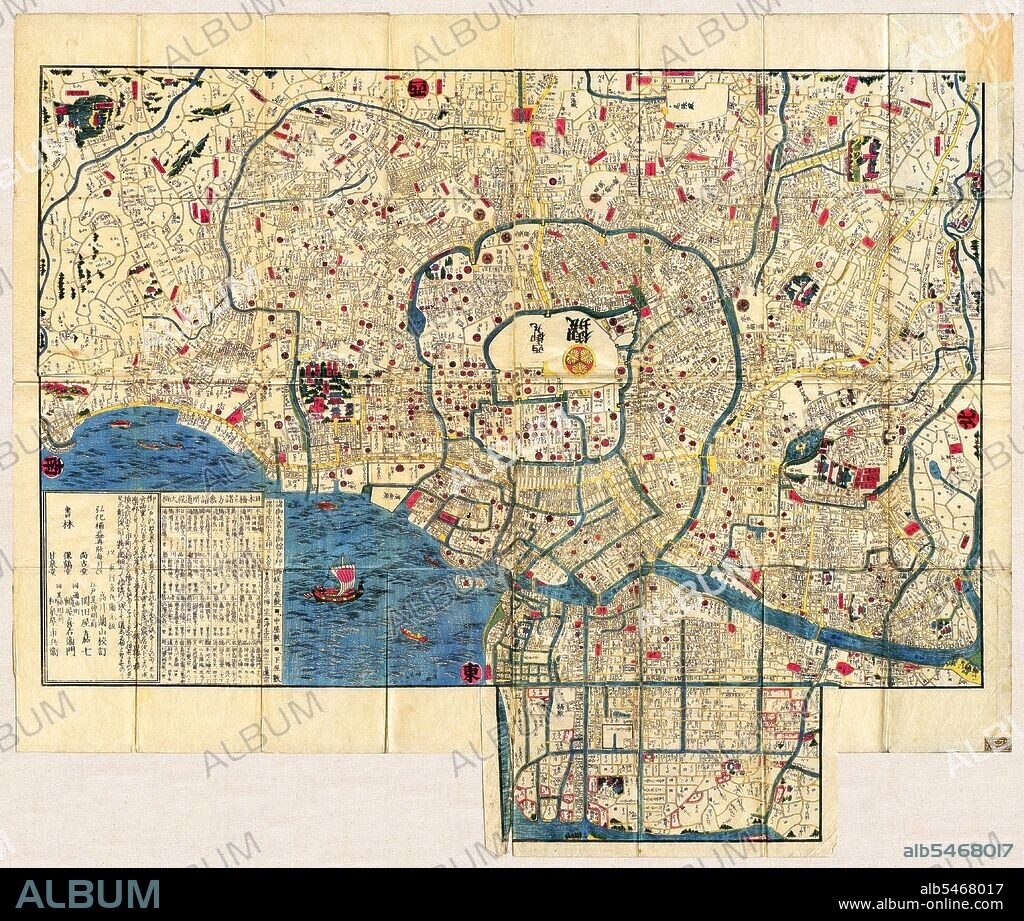
former name for tokyo
The Legacy of Edo
During the Edo period, Edo was the largest city in Japan, with a population exceeding one million residents. The city was renowned for its beautiful gardens, intricate temples, and bustling markets, attracting visitors from near and far.
Edo’s transformation into Tokyo began in 1868 when the Meiji Restoration marked the end of the shogunate era. The Meiji government moved the capital from Kyoto to Edo, renaming it Tokyo, meaning “Eastern Capital,” to symbolize Japan’s new era of modernization and progress.
Today, remnants of Edo’s rich history can still be found throughout Tokyo. From the traditional architecture of Asakusa’s Senso-ji Temple to the serene gardens of the Imperial Palace, the city’s past continues to shape its present identity as a blend of old and new.
By exploring the former name for Tokyo, we gain a deeper appreciation for the city’s evolution and the enduring legacy of Edo’s cultural heritage. Tokyo’s vibrant streets and historic sites offer a window into Japan’s fascinating past, inviting visitors to uncover the stories that shaped this dynamic metropolis.
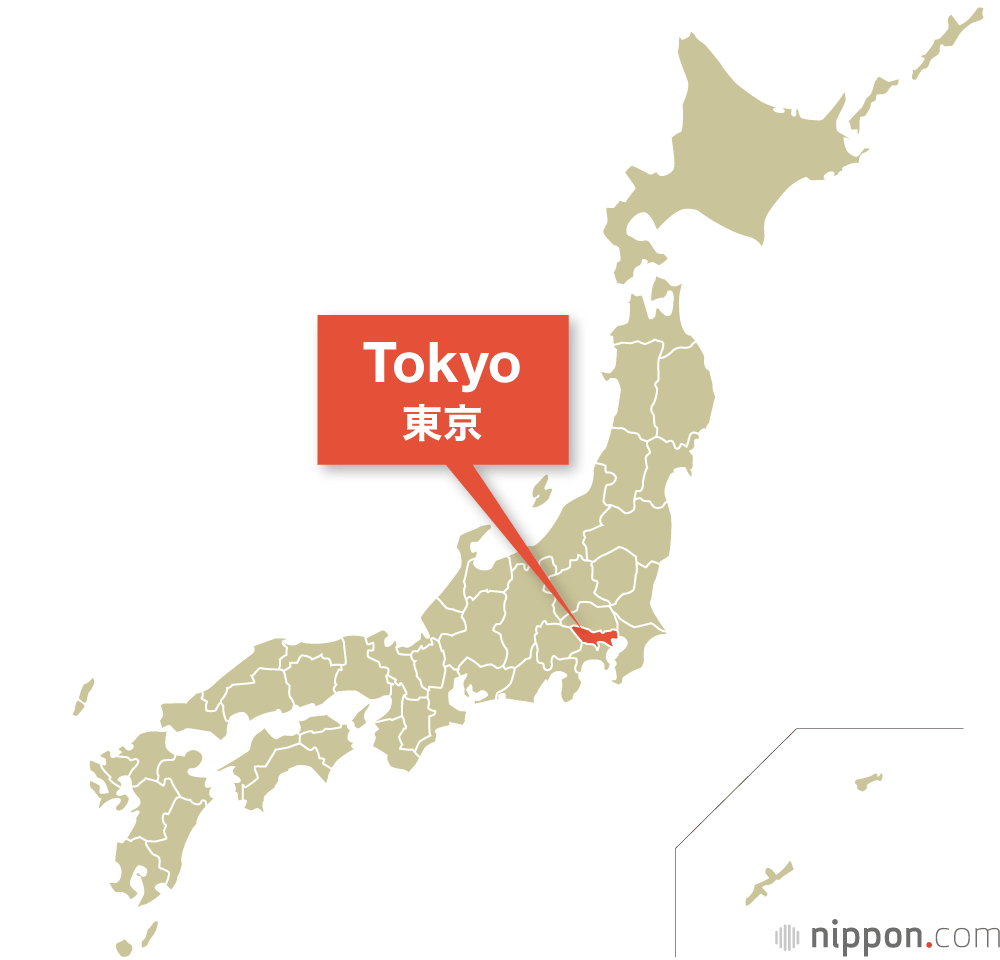
Tokyo Metropolis Nippon
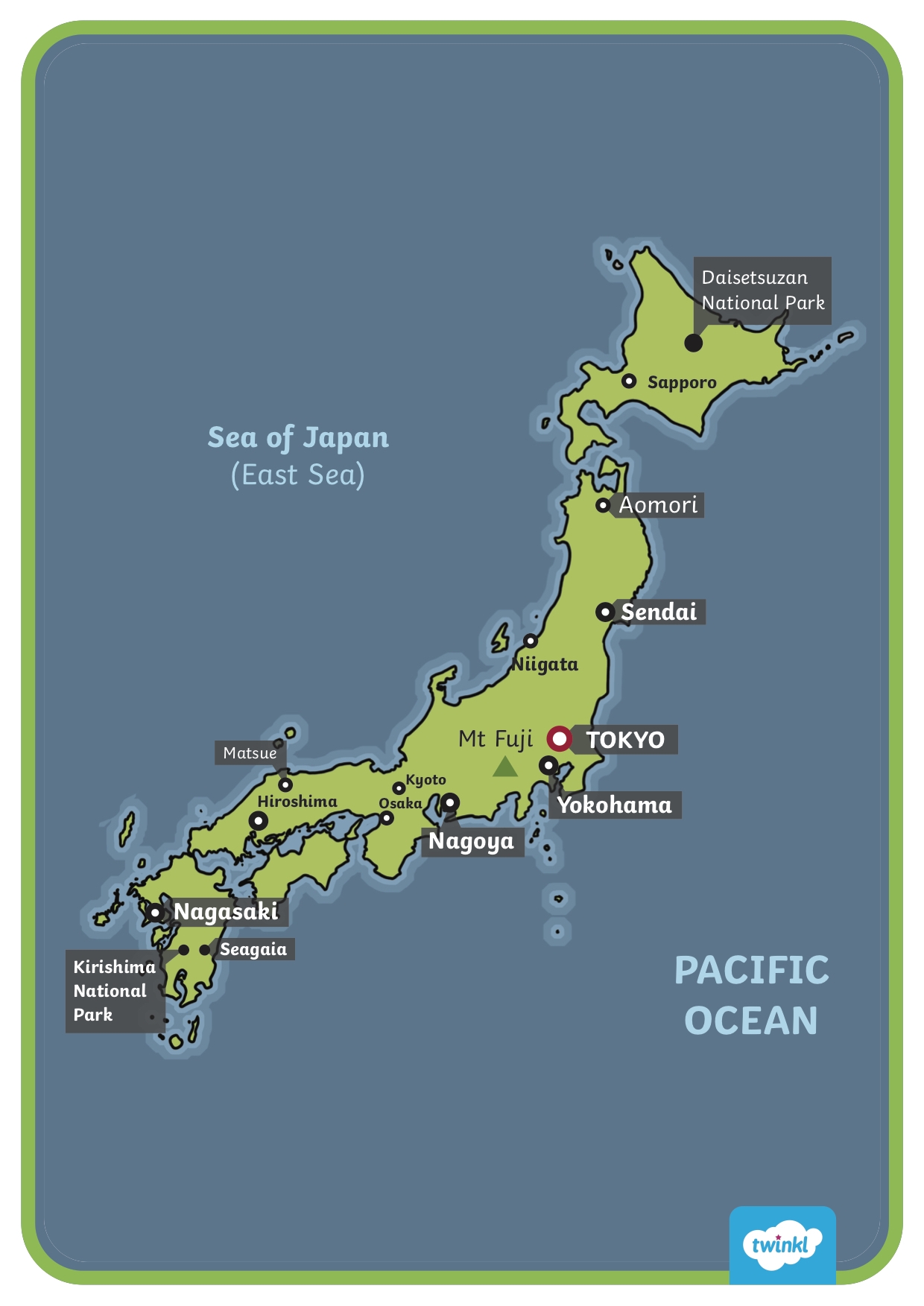
Tokyo Capital City Of Japan Twinkl
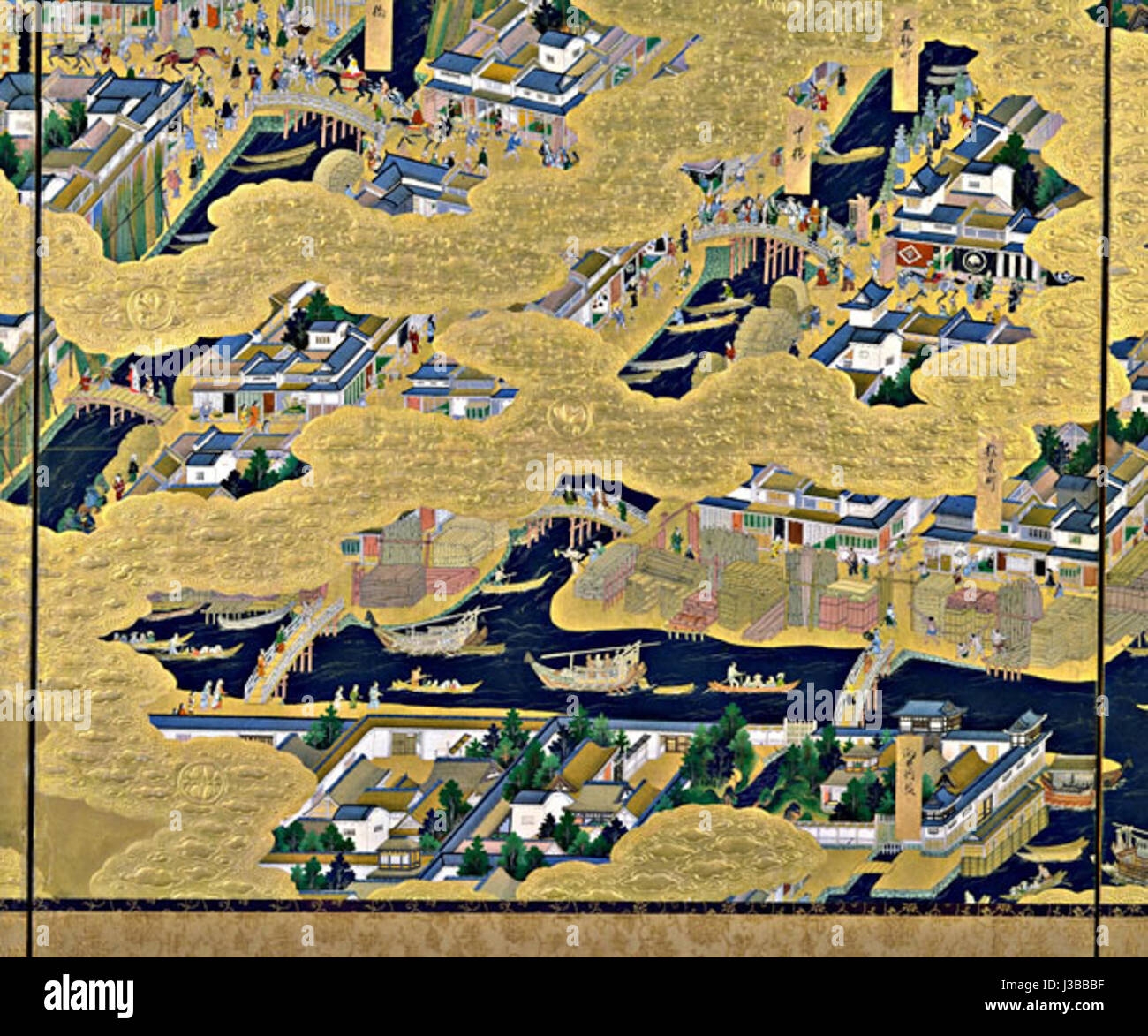
Is The Former Name Of The Japanese Capital Tokyo Hi res Stock Photography And Images Alamy
Is The Former Name Of The Japanese Capital Tokyo Hi res Stock Photography And Images Alamy
Is The Former Name Of The Japanese Capital Tokyo Hi res Stock Photography And Images Alamy