Baseball fans, have you ever wondered about the strike zone lower boundary and how it affects the game? Understanding this crucial element can enhance your viewing experience and appreciation for the sport.
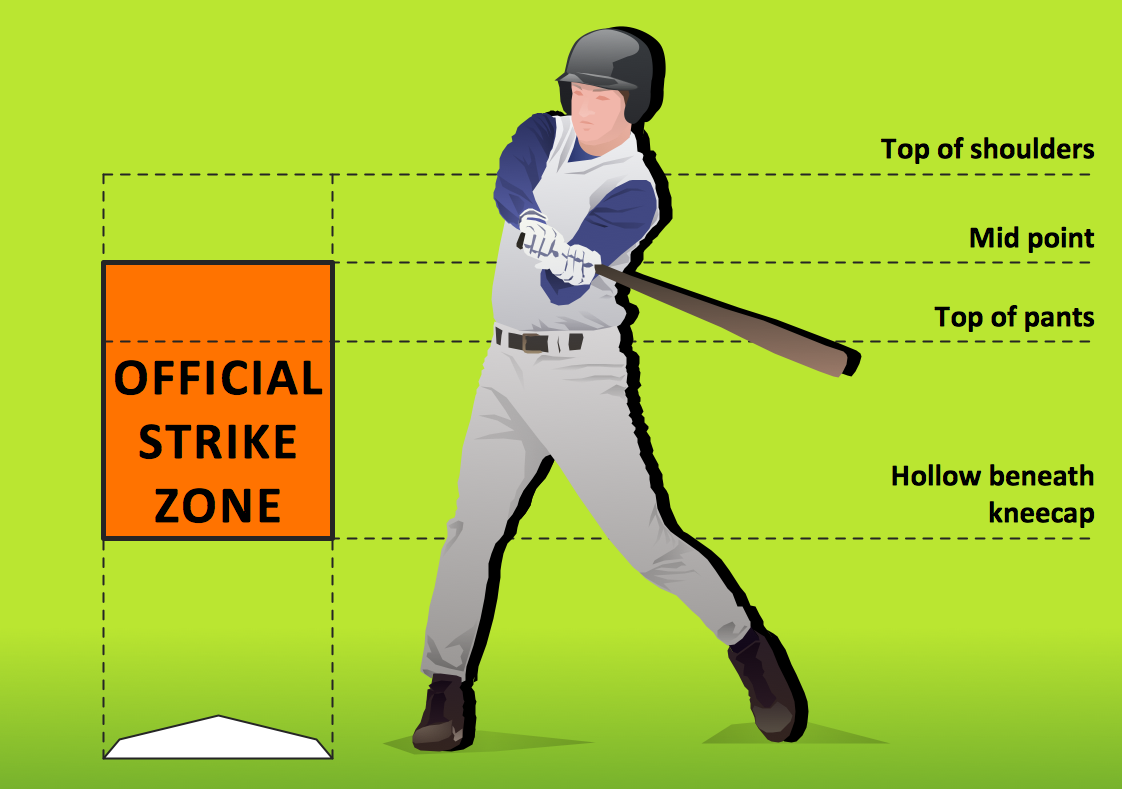
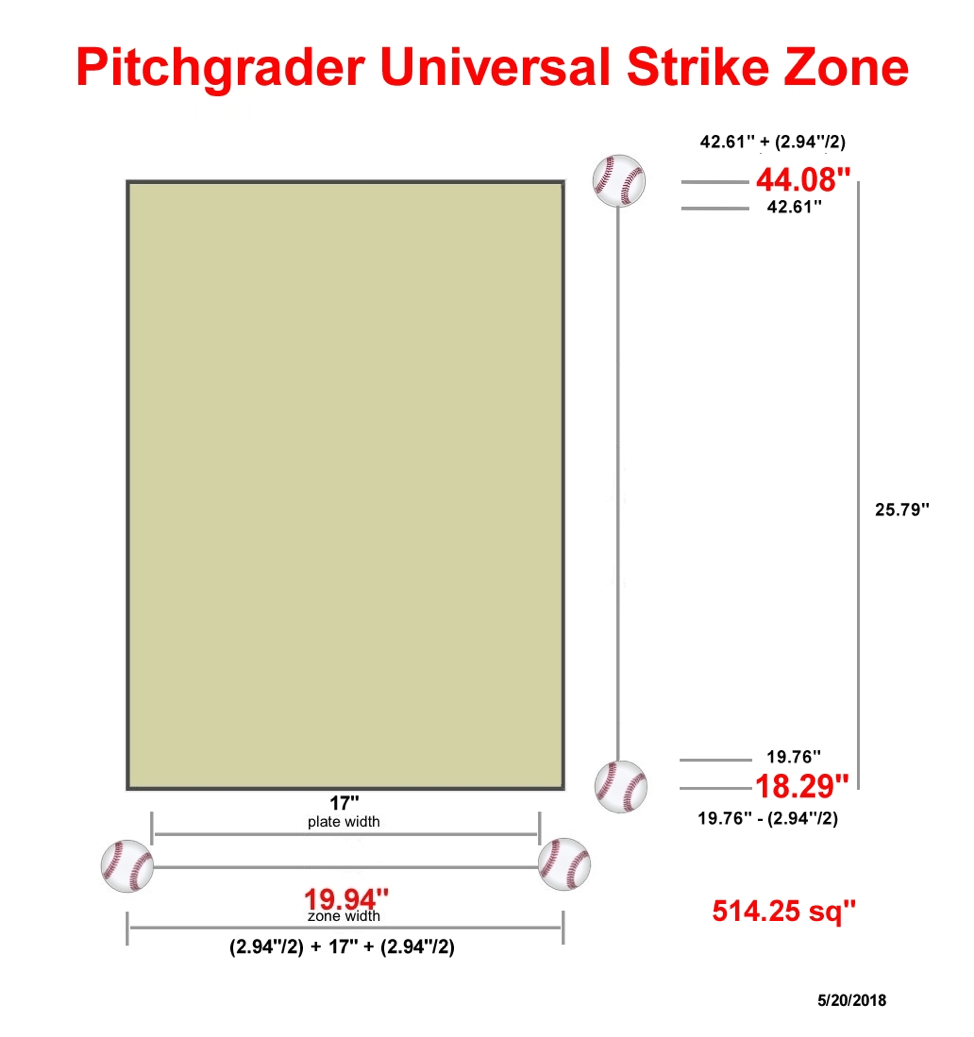
The strike zone lower boundary refers to the area at the bottom of the strike zone where pitches are called strikes by the umpire. This boundary is typically defined as the hollow of the knee, giving pitchers an advantage when throwing low strikes.
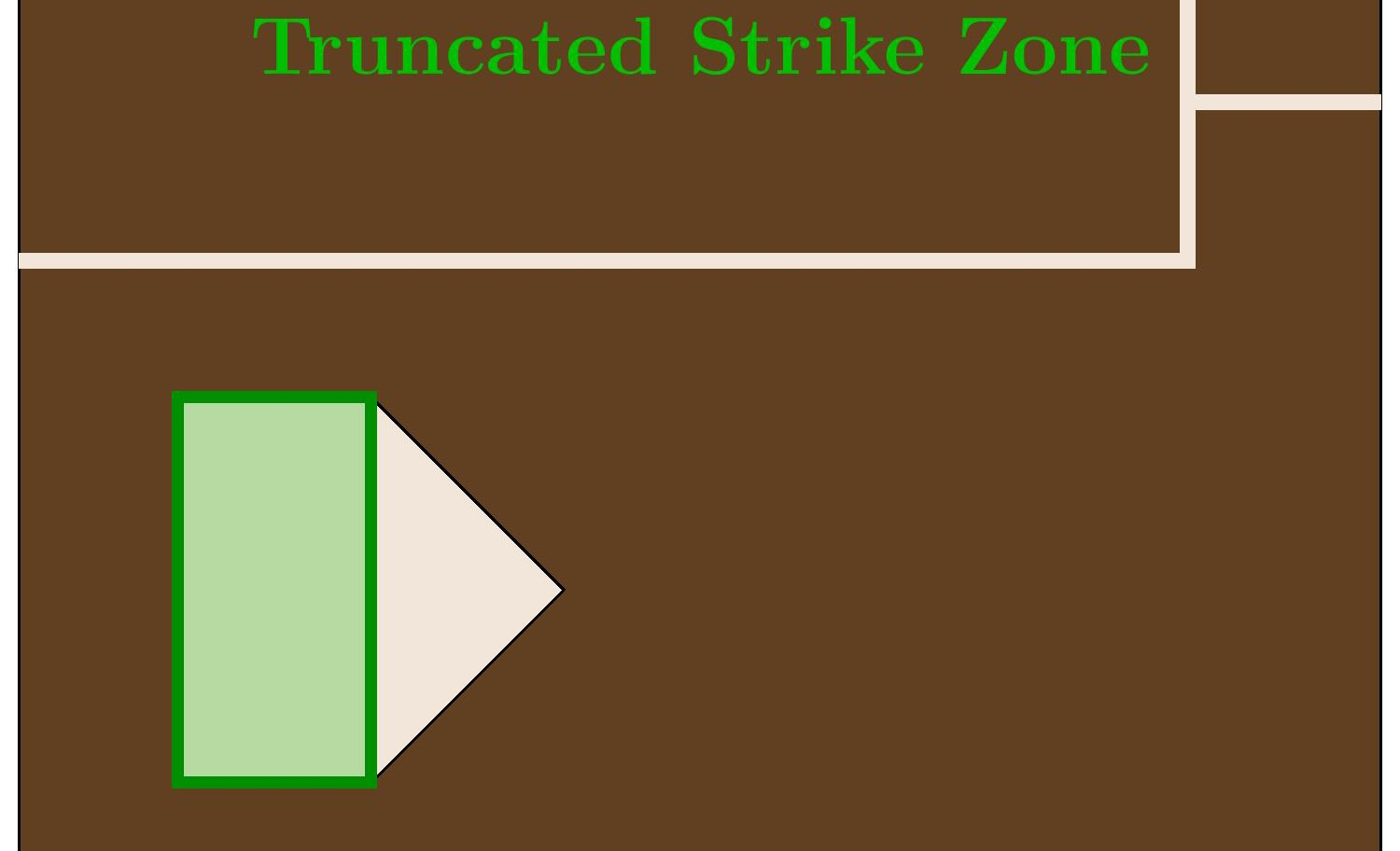
strike zone lower boundary
Exploring the Impact of the Strike Zone Lower Boundary
When pitchers can consistently hit the strike zone lower boundary, batters are forced to adjust their approach. They may have to swing at pitches they would normally let go, leading to more strikeouts and ground balls.
Conversely, batters who can lay off pitches near the strike zone lower boundary can draw walks and increase their on-base percentage. This ability to control the strike zone is a valuable skill that can separate average hitters from elite ones.
Umpires play a crucial role in determining whether a pitch crosses the strike zone lower boundary. Their judgment can impact the outcome of games and influence players’ strategies. As a result, the strike zone lower boundary is a topic of ongoing debate and discussion among baseball enthusiasts.
Next time you’re watching a game, pay attention to how pitchers and batters navigate the strike zone lower boundary. You may gain a new appreciation for the intricacies of the sport and the skill required to succeed at the highest level.
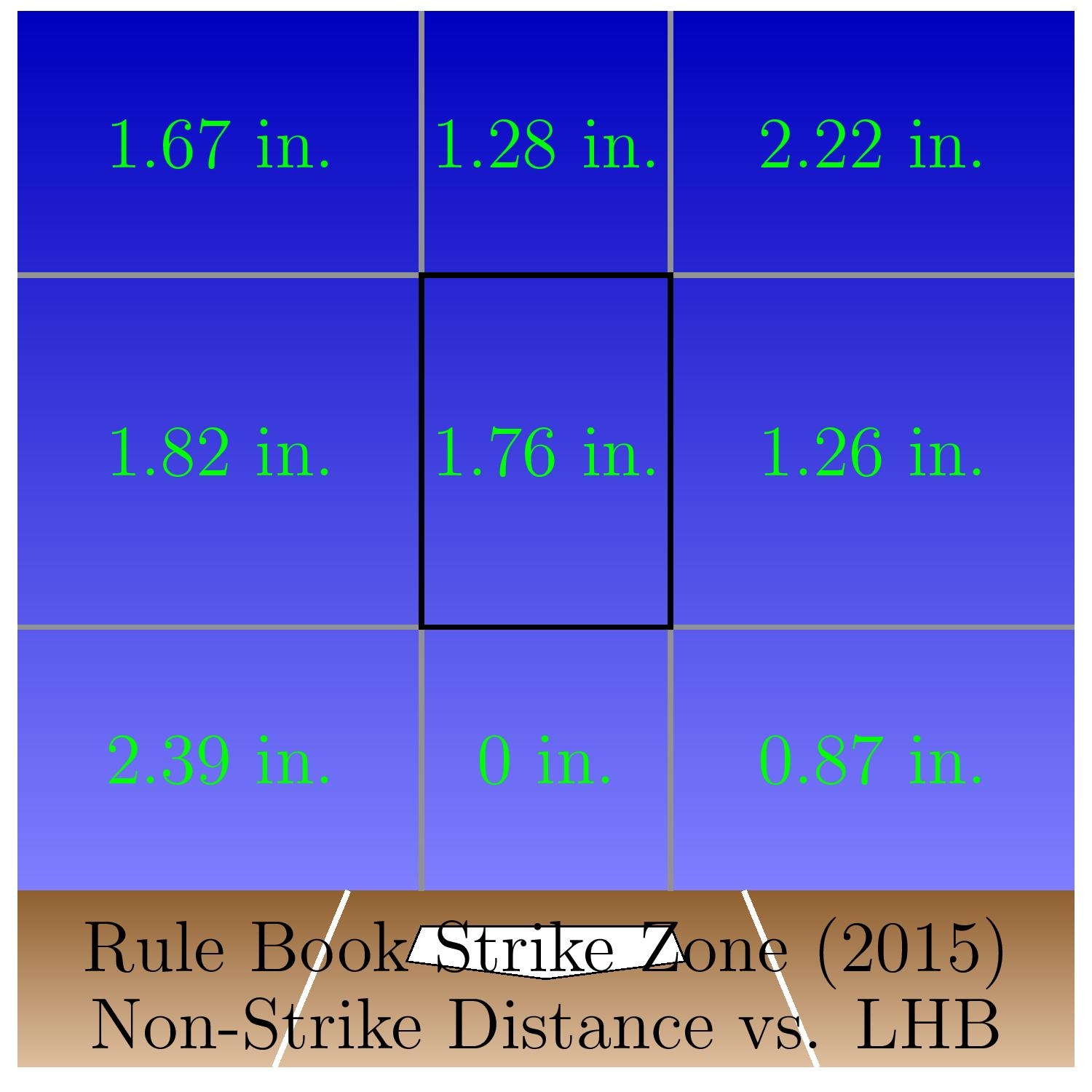
On The Nature Of The Strike Zone In Two And Three Dimensions The Hardball Times
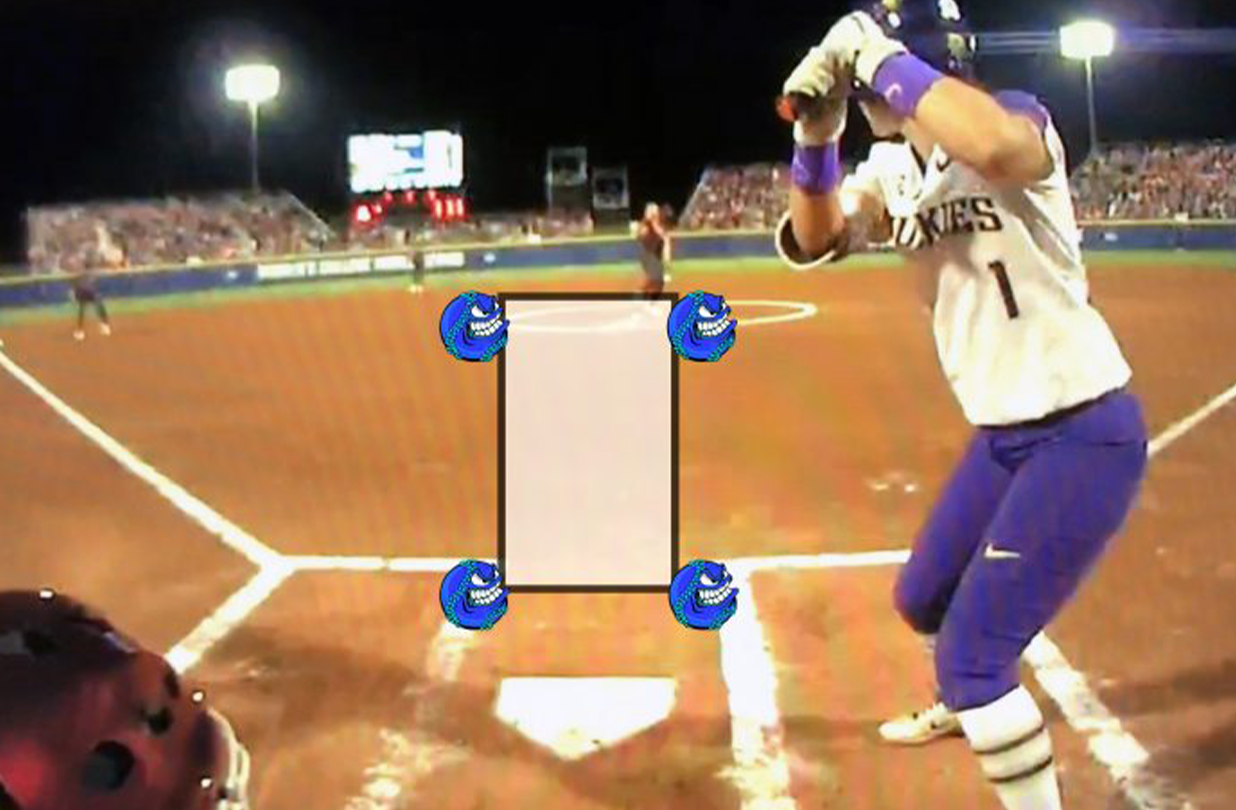
Did The Umpire Strike Zone Get Bigger
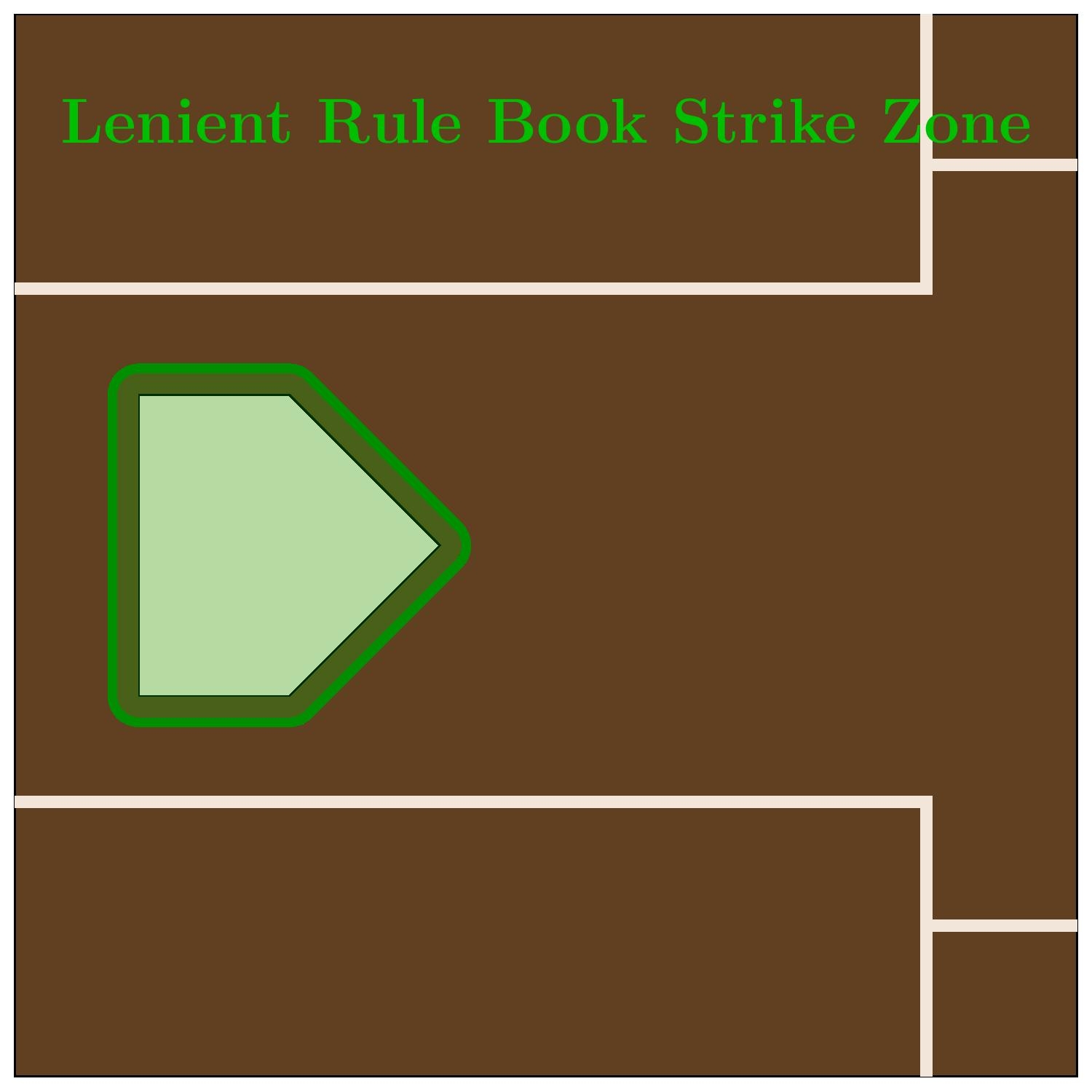
On The Nature Of The Strike Zone In Two And Three Dimensions The Hardball Times
Baseball Pitching And The Strike Zone
Prospectus Feature The Universal Strike Zone Baseball Prospectus