Have you ever wondered what it’s like to be a ruler in the Middle East? From opulent palaces to intricate diplomatic negotiations, being a leader in this region comes with its own set of challenges and privileges.
With a rich history dating back centuries, the Middle East has been home to some of the most powerful and influential leaders in the world. These rulers have shaped the course of history and left a lasting impact on their countries and the world at large.
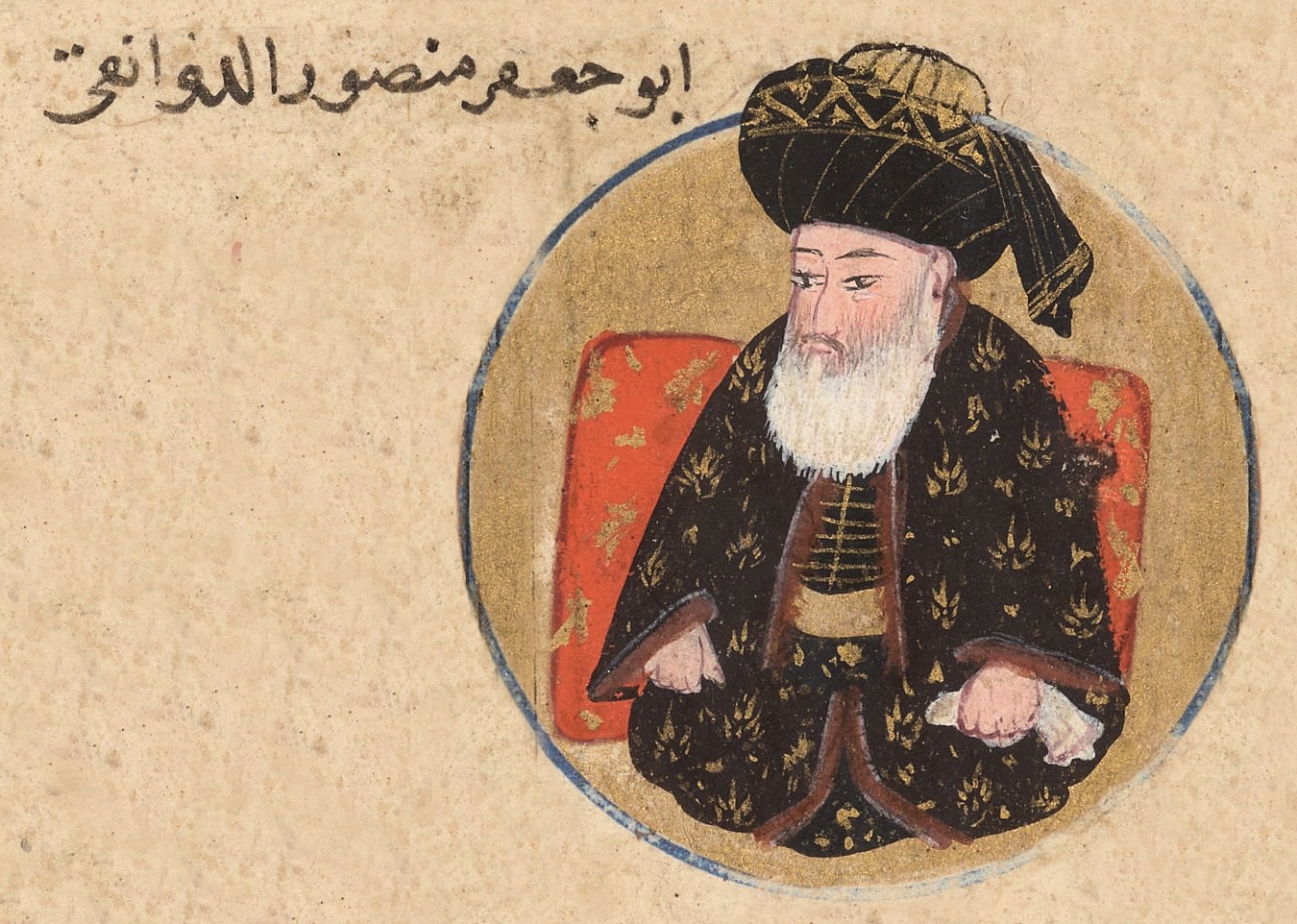
title for mid east ruler
Title for Mid East Ruler
One of the key titles for a ruler in the Middle East is “Emir.” This title is often used to refer to a prince or leader in Arabic-speaking countries, signifying their authority and status within their respective realms.
Emirs are typically responsible for overseeing the governance of their territories, maintaining stability, and representing their people on the international stage. They play a crucial role in shaping the political landscape of the region and upholding traditions and customs that have been passed down through generations.
From managing complex social and economic issues to navigating intricate geopolitical dynamics, being an Emir in the Middle East requires a unique blend of leadership skills, cultural awareness, and strategic thinking. Emirs must balance tradition with modernity, honor with pragmatism, and loyalty with diplomacy to effectively govern their realms.
Despite the challenges that come with the role, being an Emir in the Middle East is a position of great honor and responsibility. These rulers are tasked with safeguarding the welfare of their people, upholding the values of their culture, and fostering peace and prosperity in a region that has long been at the crossroads of civilization.
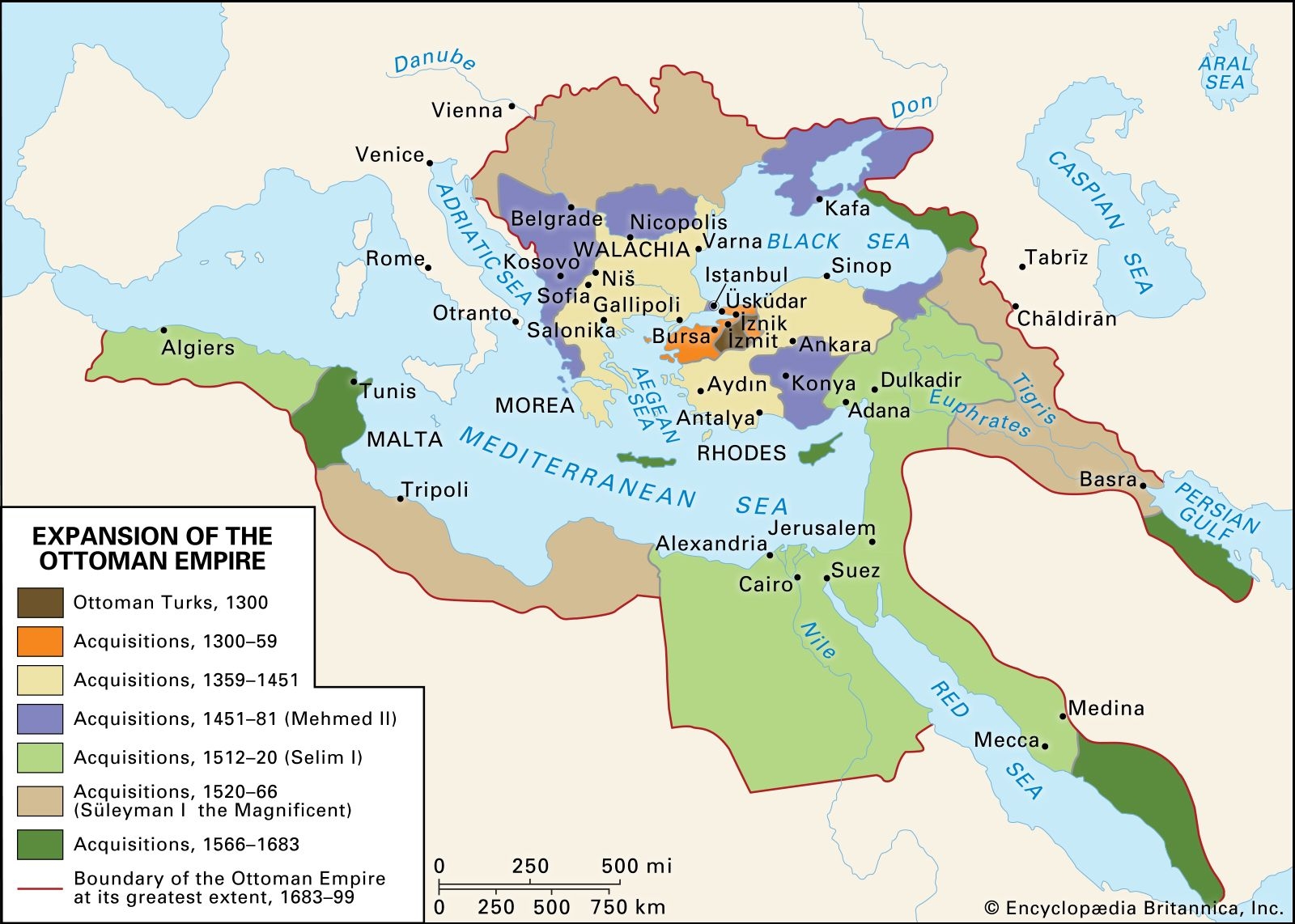
Ottoman Empire Facts History Map Britannica
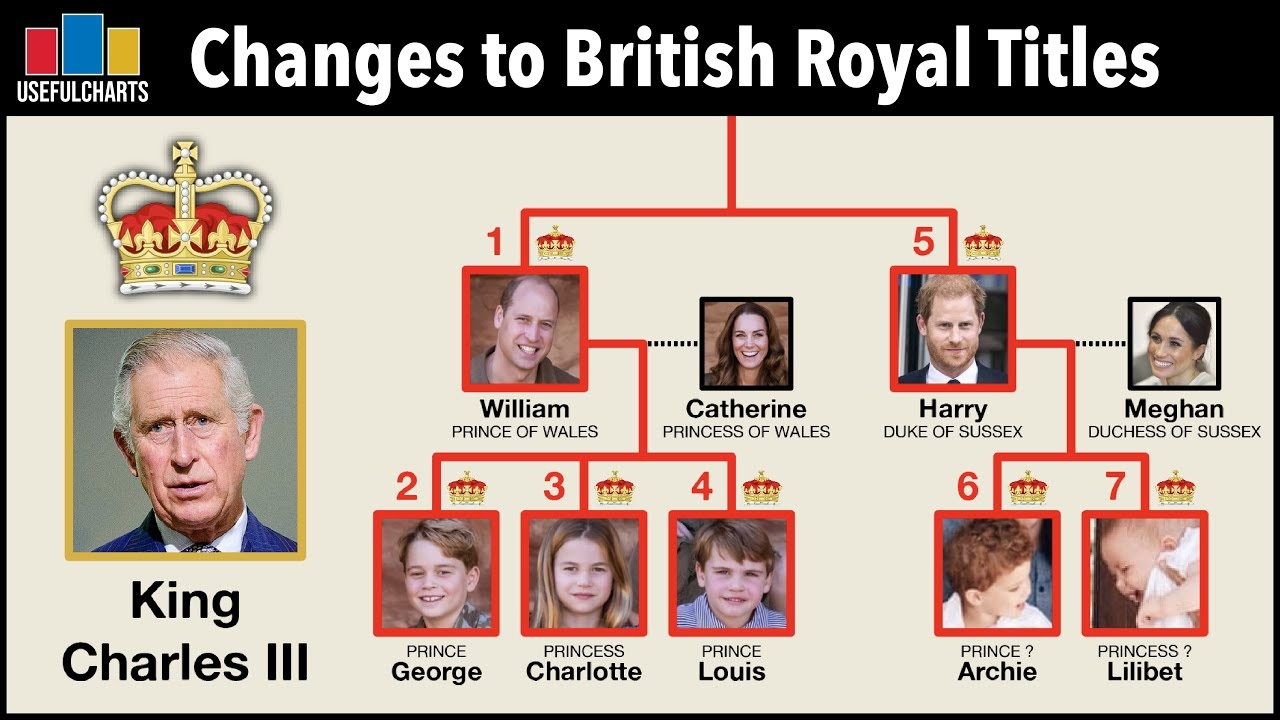
Royal Titles Forms Of Address Working With Royalty
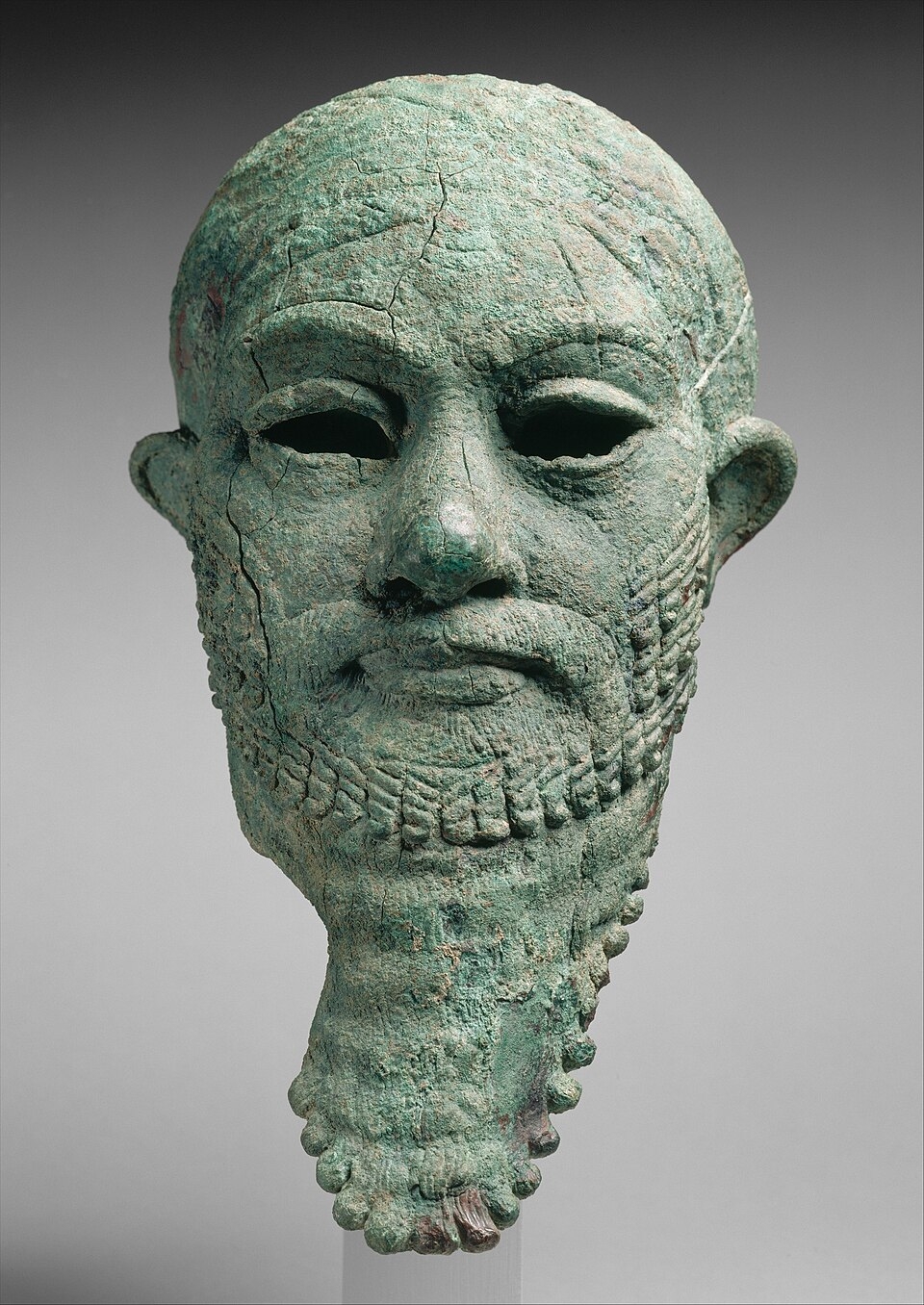
Akkadian Royal Titulary Wikipedia

NYT Mini Crossword Answers Hints For June 30 2025 Games

NYT Mini Crossword June 30 YouTube